Specification
Technical data for Polyacrylic Acid (PAA) | CAS 9003-01-4 (PAA). Values are typical production data; the batch certificate of analysis governs each shipment.
| Model | PAA |
|---|---|
| CAS No. | 9003-01-4 |
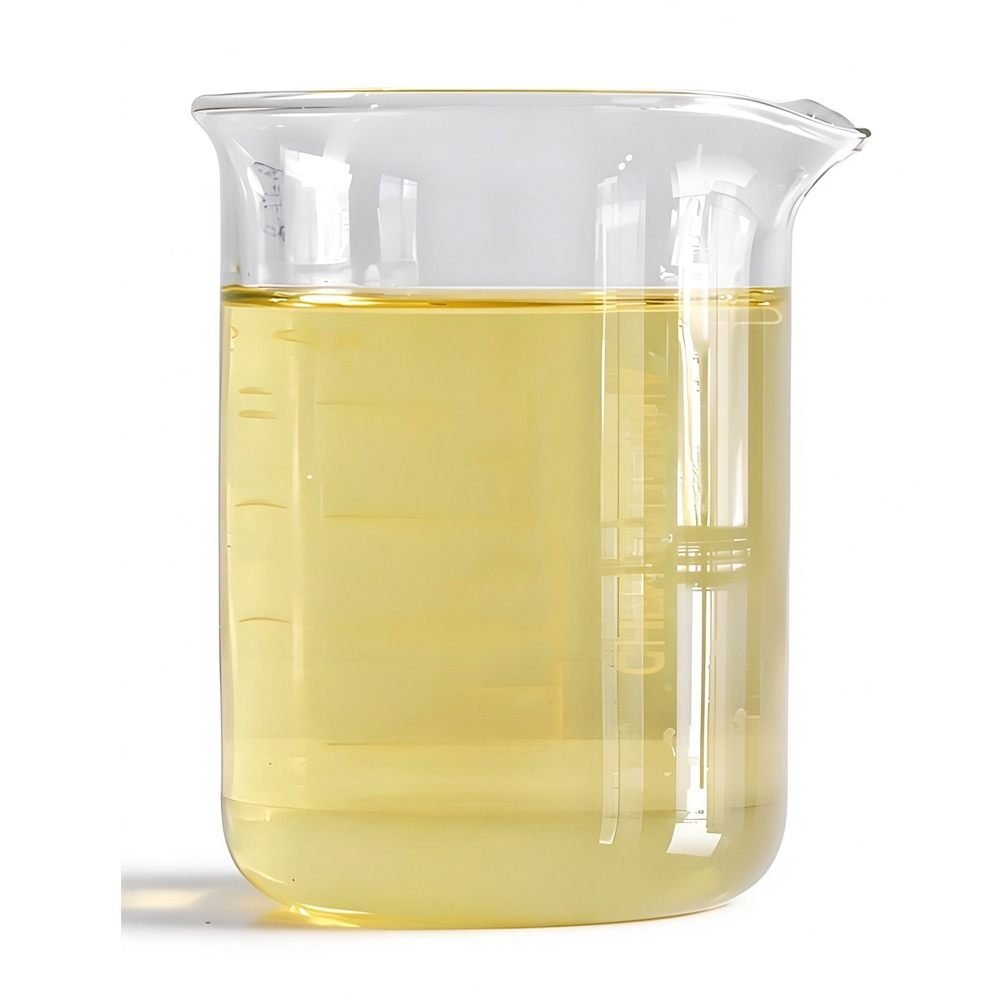
| Appearance | Colourless to pale yellow liquid |
| Active content | Active content >= 30% (acid form) |
| pH | 1.5-3.0 |
| Density / Viscosity | Density 1.10-1.20 g/cm3 |
| Solubility | Miscible with water |
| Recommended dosage | 2-20 mg/L |
| Packaging | 30 kg drum or 250 kg drum |
| Shelf life | 24 months, frost-free |
| Product category | Water Treatment Monomers |
Typical Applications
Cooling water scale control
Boiler water and condensate systems
Mineral processing and slurry dispersion
Industrial cleaning and desalination
Product Description
Polyacrylic Acid (PAA) at a glance
Polyacrylic acid in the acid form for scale inhibition and dispersion in industrial water.
Polyacrylic Acid is supplied as colourless to pale yellow liquid with active content >= 30% (acid form). In service it is dosed at 2-20 mg/L, and it is normally applied where cooling water scale control.
Where PAA is used
- Cooling water scale control
- Boiler water and condensate systems
- Mineral processing and slurry dispersion
- Industrial cleaning and desalination
Why formulators select PAA
- Direct acid form for formulation flexibility
- Good calcium carbonate crystal distortion
- Disperses clay and metal oxides
- Cost effective bulk polymer
Handling, packaging and storage
PAA is packed as 30 kg drum or 250 kg drum. Store it sealed and frost-free; the shelf life is 24 months, frost-free. Prepare working solutions in clean water at the dilution given in the specification table, and never blend it with strongly oxidising or strongly alkaline products in the same tank without checking compatibility first.
Ordering and technical support
Send us your water analysis, target limit and monthly consumption and we will confirm the PAA dose, the dosing point and the packaging size for your container. A technical data sheet, batch certificate of analysis and a sample for jar testing are available on request.
Advantages
Direct acid form for formulation flexibility
Good calcium carbonate crystal distortion
Disperses clay and metal oxides
Cost effective bulk polymer
Custom Options
FAQ
What is the difference between PAA and PAAS?
PAA is the acid form with a low pH, used where the formulation needs acidity. PAAS is the neutral sodium salt, easier to handle and less corrosive.
Does PAA work in high hardness water?
It works up to moderate hardness. Above about 500 mg/L as CaCO3 the calcium salt can precipitate, so a sulfonated copolymer is the better choice.
What documentation comes with Polyacrylic Acid?
Every shipment includes a technical data sheet and a batch certificate of analysis. A free sample with the current COA can be sent for laboratory or jar testing before you place the order.
What is the minimum order and lead time?
One 20ft container load is the standard minimum, and LCL or mixed container loading is accepted for trial orders. Stock grades ship in 7-15 days; custom blends and private label orders take 20-30 days.