
Why the clarifier stops meeting limits
Electroplating rinse water carries EDTA, citrate, ammonia and cyanide complexes. Conventional hydroxide precipitation leaves the metal in solution as a soluble complex, so the clarifier looks clear while copper, nickel and zinc sit above the discharge limit. Raising the pH further does not help once the complex is stable.
The treatment sequence
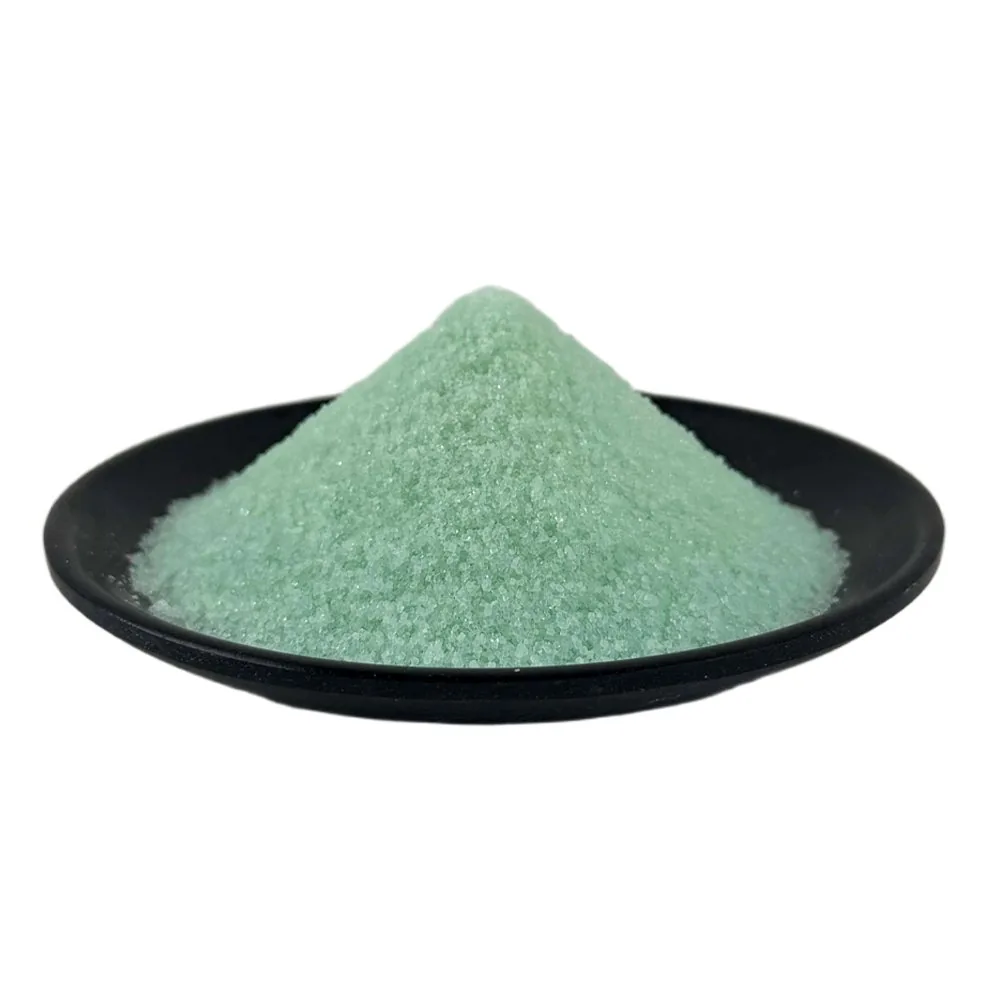
Reduce hexavalent chromium first with FeSO4 or a reducing agent at pH 2–3. Break the complexes with a heavy metal capturing agent (PO-15) at pH 8–9, then coagulate with PAC and flocculate with anionic PAM. N-40 is used where the sludge has to pass a leaching test, for example before landfill or cement kiln co-processing.
Jar test and dose
Dose is set by the metal load, not by flow. A jar test at 1.2, 1.5 and 2.0 times the stoichiometric demand shows both the residual metal and the sludge volume; the lowest dose that meets the limit wins. Sample the clear layer after 30 minutes of settling and confirm with AAS or ICP before fixing the plant dose.
Documents and packing
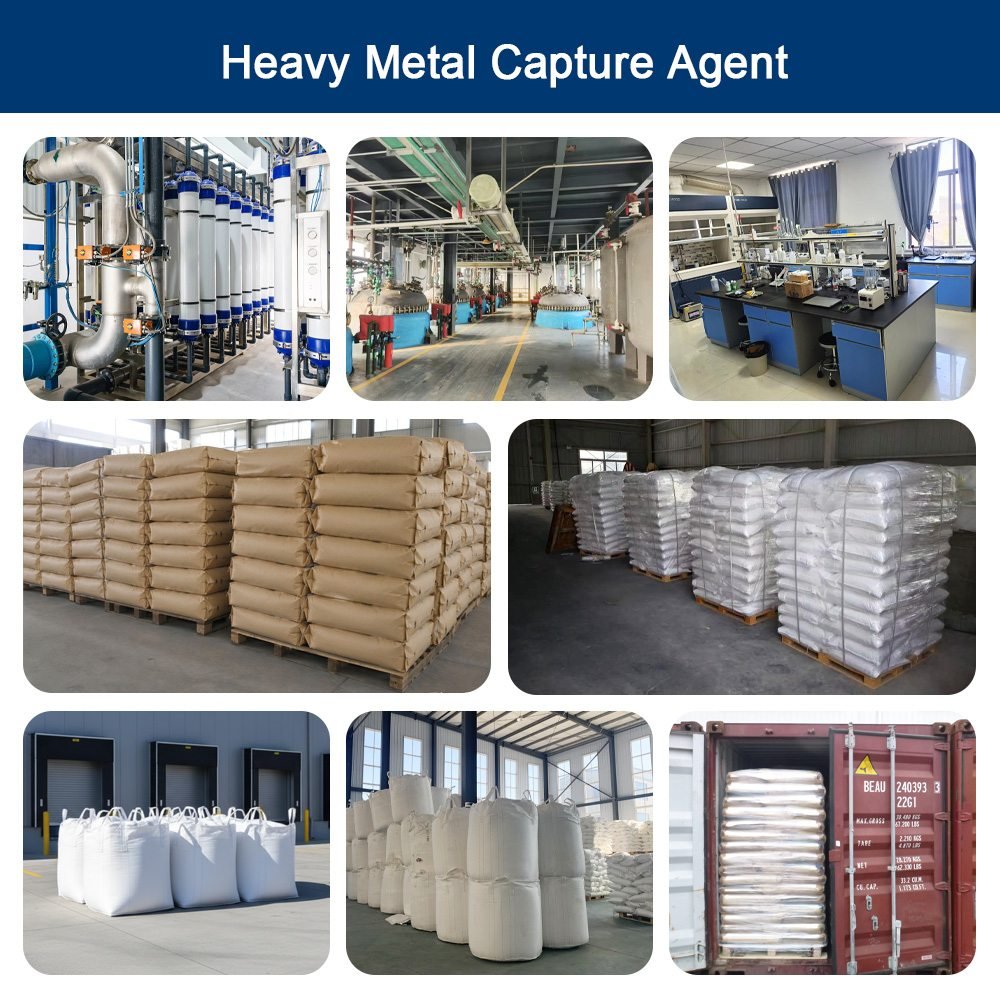
Supplied in 25 kg bags, 200 kg drums and 1000 kg IBC tanks, with TDS, SDS and batch COA. Send us the metal concentrations, complexing agents in use and discharge limit and we will propose the dosing sequence.