
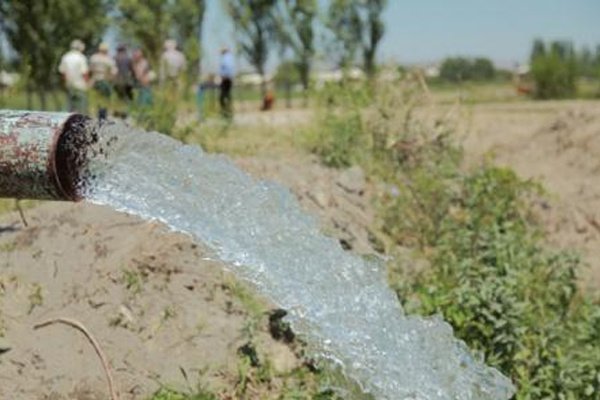
No municipal sewer network in the district
Integrated MBBR package stations, one per village cluster
Eight village clusters now treat their own sewage instead of discharging it to the ground, protecting the shallow aquifer used for drinking water.The constructed wetland stage needs little power and…


Project Overview
In rural Karakalpakstan there is no complete municipal pipe network, so domestic sewage is discharged directly and pollutes soil and groundwater. Working with the local water resources department, the project builds a cluster of small distributed treatment stations rather than one central plant.
In arid regions groundwater is the drinking water source, so the priority is to stop uncontrolled discharge at village level and return treated water to irrigation.
Client Requirements & Key Challenges
- No municipal sewer network in the district
- Direct discharge polluting soil and groundwater
- Arid climate with very limited water resources
Piniou Solution
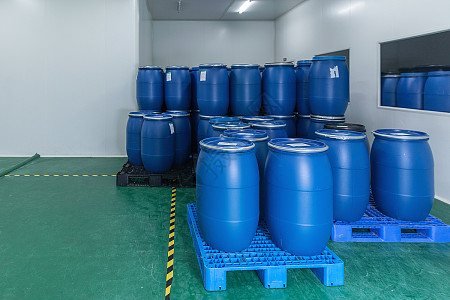
- Integrated MBBR package stations, one per village cluster
- Constructed wetland for deep treatment and polishing
- Treated water reused for local irrigation
Products Used & Technical Highlights
| Country | Uzbekistan |
|---|---|
| Industry | Municipal (rural) |
| Capacity | 50-250 m3/d per station, 1,200 m3/d in total |
| Coverage | about 23,000 residents in 8 villages |
Project Photos / Video
Result
Eight village clusters now treat their own sewage instead of discharging it to the ground, protecting the shallow aquifer used for drinking water.
The constructed wetland stage needs little power and few chemicals, which keeps operating cost within reach for rural districts.


